
Granite
Granite in Urban Architecture: From Paving Stones to Facades
How Polish cities adopted granite for structural and decorative purposes, from cobblestone streets to modern cladding systems.
Read →Natural Stone — Urban Architecture — Poland
Granite, limestone, and sandstone have shaped urban facades, public spaces, and interior floors across Polish cities for centuries. This resource documents their applications, characteristics, and upkeep.
Key Materials
Each stone type carries different structural properties, aesthetic qualities, and maintenance demands. Understanding these differences is practical for anyone working with or around urban stonework.
Formed from cooled magma, granite is one of the hardest natural stones used in construction. Its resistance to weathering makes it a standard material for street paving, building plinths, and countertops.
Read article →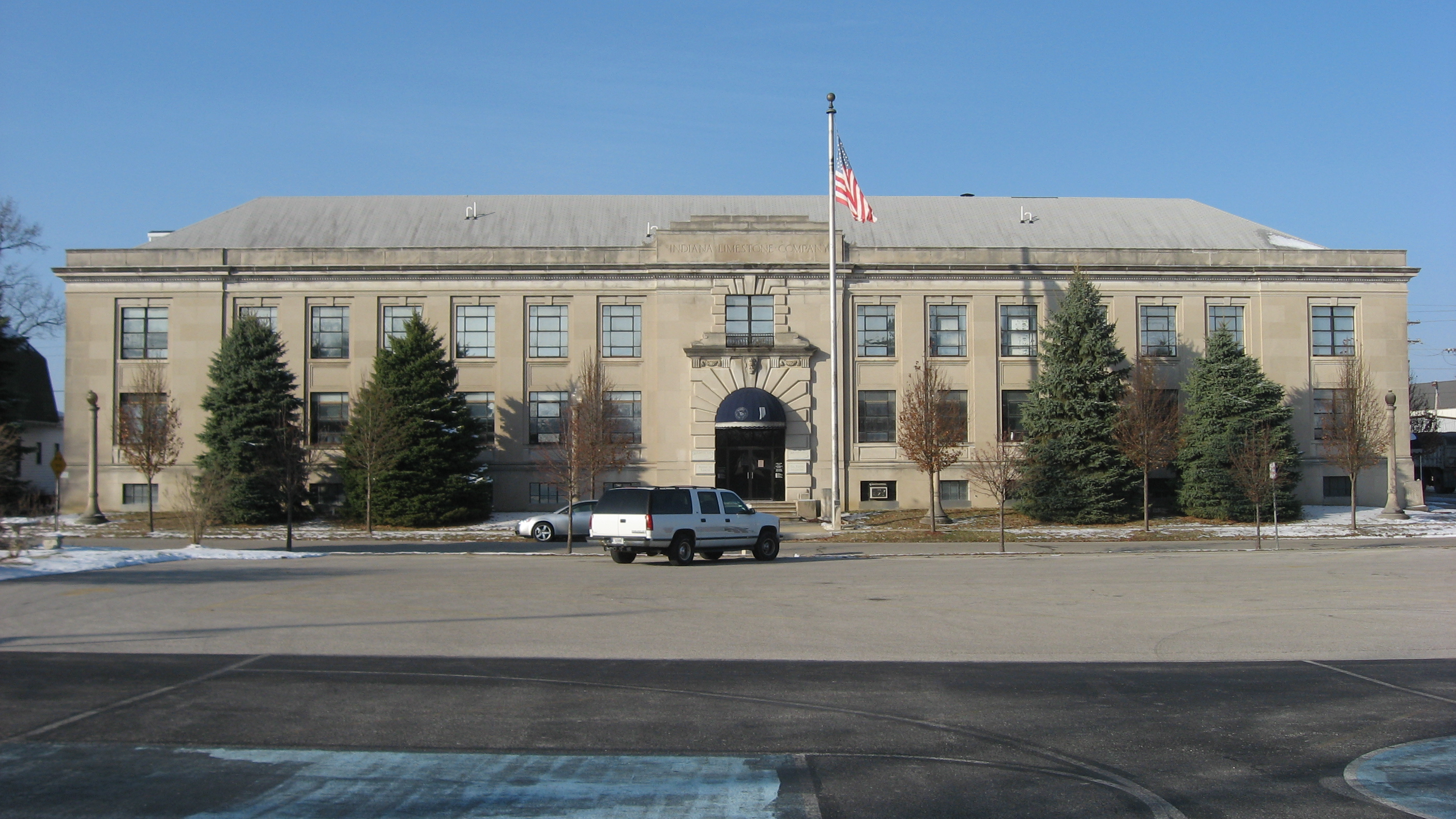
Widely quarried across southern Poland, limestone has been the material of choice for cathedral facades, civic buildings, and decorative stonework. Its workability allows detailed carving.
Read article →
Used extensively in 19th-century urban construction across Wrocław and Poznań, sandstone is porous and requires attentive maintenance. Its warm tones remain a feature of many historic districts.
Read article →Recent Articles
How Polish cities adopted granite for structural and decorative purposes, from cobblestone streets to modern cladding systems.
Read →
Limestone's role in Kraków's Wawel Hill and Warsaw's historic centre — from quarrying to current preservation challenges.
Read →
Practical guidance on cleaning, consolidation, and long-term protection of sandstone surfaces exposed to urban pollution.
Read →Interiors
Stone floors in public buildings, hotels, and residential interiors follow different selection criteria than exterior cladding. Slip resistance, thermal mass, porosity, and maintenance schedules all factor into material choice. Limestone and granite remain the dominant options in Polish commercial interiors, while marble and travertine appear in premium residential contexts.
The Polish Geological Institute documents active quarry sites across Lower Silesia, the Holy Cross Mountains, and the Kraków-Częstochowa Upland, providing traceability for domestically sourced stone.
Contact
Use the form below to send an enquiry. Fields marked with * are required.
